Responding to prompt number 2…
if an unexpected event such as a pandemic had kids learning from home, our lesson would be adapted by moving activities to an online format while keeping the opportunity for discussion, collaboration, and critical thinking. In this circumstance, we would like to ensure that all students can continue to learn successfully regardless of their location.
To support…
To support online learning, using systems such as Google Classroom or Microsoft Teams to organize lesson materials, tasks, assignments, and announcements. The students would have the ability to receive a “classroom” understanding through video tutorials, written guides, and live demonstrations, like a zoom meeting, those would be for how to access course materials, participate in discussions, and other necessary means to navigate the course. The families of the students would have the opportunity to also be provided with support resources to help students navigate the technology.
Planned activities…
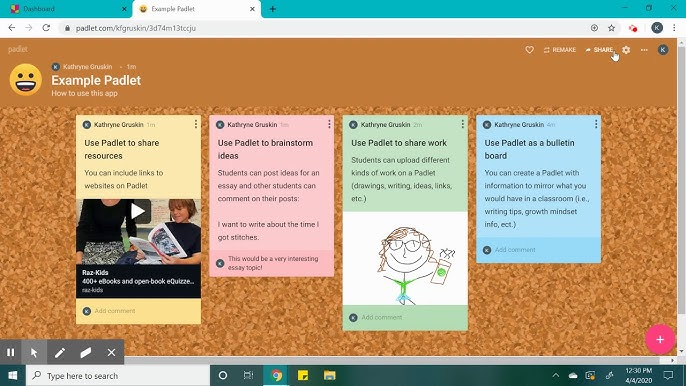
Many of the activities could be adapted to virtual platforms. For example, the career supporting activities could be completed using digital tools such as padlet or Google Slides where the students could sort careers into categories and explain their reasoning. I think pair share activity could be carried out through breakout rooms during video lessons, that would allow students to discuss ideas with peers before sharing with the larger class.
The media analysis activity would transfer well to an online learning environment. Students could examine advertisements, videos, and other types of media through shared screens or posted resources, then participate in guided discussions or through discussion boards.
Assessment…
Assessment methods would also be adjusted in this scenario. Formative assessments such as the exit tickets, could be completed through a Google Forms while quizzes could be given online using tools that provide immediate feedback. Summative assessment, including media analyses and group projects, could be submitted digitally through presentations, videos, or written reports. Reflections could be completed through a journal system or even discussion posts.
To ensure equity and accessibility, providing both synchronous and asynchronous learning opportunities would be the first choice. Recorded lessons, flexible deadlines, and downloadable materials would allow students with varying schedules, internet accessibility, or learning needs to participate successfully. Regular check-ins like emails, messages or virtual office hours would help students manage and provide additional support when needed.
By adapting activities, assessment, and communication methods to an online environment, students would continue developing their understanding of gender stereotypes, media influence, and critical thinking skills while remaining connected to their classmates and learning communities.
- Padlet. (2025). https://padlet.com/
- SetBC. (est. 1989). https://www.setbc.org/
- United Nations. (2025). Goal 4 | Ensure Inclusive and Equitable Quality Education and Promote Lifelong Learning Opportunities for All. United Nations. https://sdgs.un.org/goals/goal4
Recent Comments